
Views: 1
Why Hypercars Use Advanced Thermal Management
Hypercars represent some of the most demanding engineering achievements in the automotive industry. Their powerful combustion engines, advanced hybrid systems, high-performance batteries, and sophisticated braking technologies create extraordinary amounts of heat.
Managing that heat is essential. Without effective temperature control, even the most powerful hypercar could experience reduced performance, accelerated component wear, or mechanical failure.
Advanced thermal management is therefore one of the most important technologies behind reliable hypercar performance.

1. Why Hypercars Generate So Much Heat
Every vehicle converts stored energy into motion, but not all the energy becomes useful mechanical work. Significant amounts are released as heat through combustion, friction, electrical resistance, and braking.
In a hypercar, these thermal loads can be extremely high because the vehicle is engineered to deliver exceptional acceleration, high speed, and intense braking performance.
Major heat-generating components include:
- Engines: Combustion produces extremely high temperatures inside cylinders and exhaust systems.
- Turbochargers: Hot exhaust gases drive turbines, while compression increases intake-air temperature.
- Electric motors: Electrical and mechanical losses generate heat during high-power operation.
- Batteries: High discharge and charging currents create heat inside battery cells.
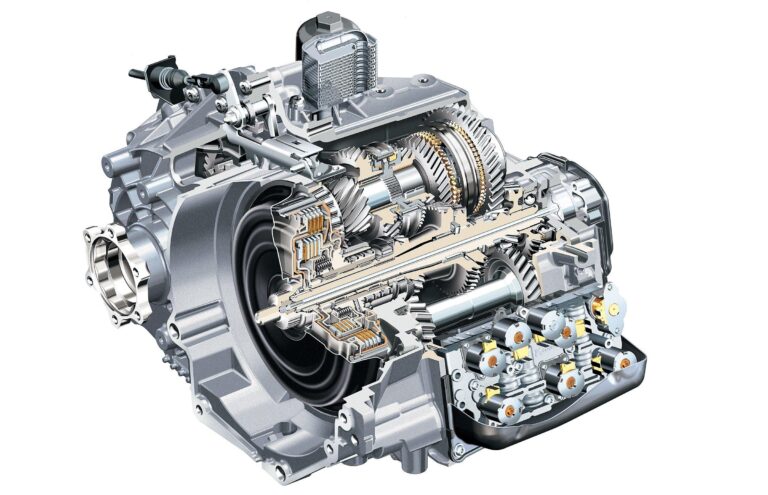
- Transmissions: Friction and mechanical loading heat gears, clutches, bearings, and lubricants.
- Brakes: Deceleration converts large quantities of vehicle kinetic energy into heat.
If temperatures rise beyond a component’s operating limits, the vehicle may automatically reduce power or require a cooling period.
2. Advanced Engine Cooling Systems
High-performance combustion engines require carefully engineered cooling systems to maintain safe operating temperatures during demanding driving conditions.
Modern hypercars often incorporate several cooling circuits instead of relying on a single radiator.
Liquid Cooling
Engine coolant circulates through passages in the engine block and cylinder heads, absorbs heat, and transfers it to radiators where moving air removes thermal energy.
Oil Cooling
Engine oil lubricates moving components while also carrying away heat. Dedicated oil coolers help preserve lubrication performance under extreme loads.
Intercoolers
Turbochargers compress intake air, raising its temperature. Intercoolers reduce that temperature before the air enters the engine, improving charge density and helping control combustion temperatures.
Example: Bugatti Chiron
The Bugatti Chiron’s 8.0-liter quad-turbocharged W16 engine demonstrates why cooling is such a complex engineering task.
Its thermal architecture includes separate engine and charge-air cooling circuits, along with additional heat exchangers for other systems. Bugatti has described a total of 10 radiators in the Chiron’s cooling architecture.
This extensive arrangement helps the engine handle enormous thermal loads while delivering exceptionally high power.

3. Cooling Hybrid and Electric Hypercars
Electric and hybrid hypercars introduce additional thermal challenges because they combine powerful electrical systems with substantial energy storage.
High-performance lithium-ion battery packs must remain within controlled temperature ranges to support power delivery, charging efficiency, durability, and safety.
Battery Thermal Management
Battery cooling systems use carefully designed coolant channels and heat exchangers to transfer heat away from battery cells.
Maintaining relatively uniform cell temperatures is particularly important because uneven heating can affect performance and battery aging.
Electric Motor Cooling
High-output electric motors generate heat through electrical resistance, magnetic losses, and mechanical friction.
Depending on the design, engineers may use liquid-cooled housings, oil-based cooling, or other specialized methods.
Power Electronics Cooling
Inverters convert the battery’s direct current into controlled electrical power for the motors. Their semiconductor components also require effective cooling, especially during repeated high-power acceleration.
Example: Rimac Nevera
The Rimac Nevera demonstrates the importance of advanced thermal engineering in an all-electric hypercar.
Its thermal architecture manages the battery, electric motors, power electronics, and related vehicle systems. Rimac has described five cooling systems and two refrigerant circuits in the Nevera.
Effective cooling helps the vehicle sustain high performance and manage temperature during demanding operation.

4. Brake Cooling at Extreme Speeds
Braking is another major source of heat. When a hypercar decelerates from high speed, its braking system must dissipate an enormous amount of kinetic energy.
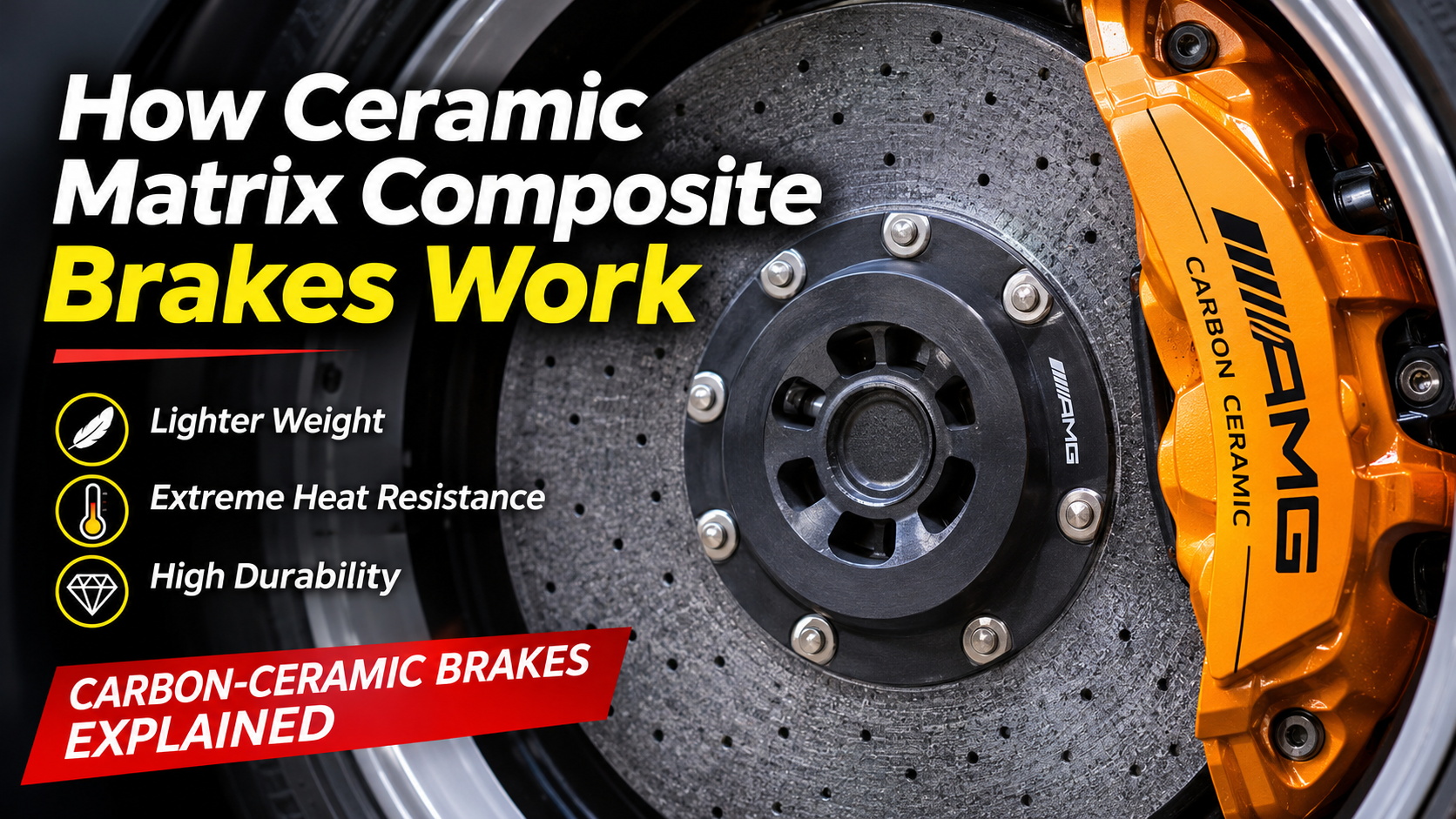
Carbon-ceramic brake discs are used in many high-performance vehicles because of their thermal capabilities, reduced weight, and resistance to fade under suitable operating conditions.
However, carbon-ceramic brakes still require appropriate temperature management.
Engineers use aerodynamic ducts and carefully positioned air channels to direct cooling airflow toward brake components.
Proper brake cooling can help:
- Reduce the risk of brake fade during repeated hard braking.
- Protect brake pads, calipers, seals, and nearby components.
- Improve braking consistency during track driving.
- Control excessive thermal loading.

5. Aerodynamics and Cooling Airflow
Hypercars must balance two competing requirements: aerodynamic efficiency and sufficient cooling airflow.
Large air intakes can provide additional cooling, but they may also increase aerodynamic drag.
Engineers therefore optimize the shape and positioning of:
- Front radiator inlets.
- Side-mounted cooling ducts.
- Underbody airflow channels.
- Engine-compartment ventilation openings.
- Hot-air extraction outlets.
The goal is to deliver cooling air to the necessary components while minimizing aerodynamic penalties.
Example: McLaren P1
The McLaren P1 combines a twin-turbocharged V8 engine with an electric motor, creating significant thermal demands from both combustion and electrical systems.
Its bodywork incorporates carefully designed airflow paths and heat extraction features that support cooling while contributing to aerodynamic performance.

6. Intelligent Thermal Management Software
Modern hypercars increasingly rely on electronic control systems to manage heat efficiently.
Temperature sensors monitor critical systems, while control software can adjust coolant pumps, radiator fans, valves, and other components.
Depending on vehicle design, thermal management software may:
- Increase cooling capacity during intensive driving.
- Prepare battery systems for high-power operation.
- Adjust cooling according to ambient temperatures.
- Limit power output when critical components approach thermal limits.
- Coordinate cabin climate control with battery temperature regulation.
These systems help maintain performance without consuming unnecessary energy for cooling when thermal demand is low.
7. Why Thermal Management Improves Performance
Advanced cooling does more than prevent overheating. It directly influences how consistently a hypercar can perform.
| System | Thermal Challenge | Engineering Solution |
|---|---|---|
| Combustion engine | High combustion and exhaust temperatures | Liquid cooling, oil cooling, heat shielding |
| Turbocharger | Hot exhaust and compressed intake air | Thermal shielding, charge-air intercooling |
| Battery pack | Heat during charging and high-power discharge | Liquid cooling and battery management |
| Electric motor | Electrical and mechanical losses | Liquid or oil-based cooling |
| Braking system | Extreme heat during deceleration | Performance brake materials and cooling ducts |
| Transmission | Frictional and mechanical heat | Lubrication and dedicated oil cooling |
Properly controlled temperatures support predictable power output, longer component life, and more consistent performance during repeated demanding use.
8. The Future of Hypercar Thermal Management
As electric and hybrid powertrains become more sophisticated, thermal management will continue to evolve.
Future developments may include improved heat exchangers, more efficient cooling fluids, integrated thermal circuits, intelligent predictive control, and new battery cooling architectures.
Advanced software may also help anticipate thermal demands using driving conditions, navigation information, and battery operating data.
These technologies can help manufacturers balance performance, efficiency, vehicle weight, and long-term reliability.
Conclusion
Hypercars require advanced thermal management because extraordinary performance produces extraordinary heat.
Whether managing a turbocharged combustion engine, a high-output electric powertrain, or a carbon-ceramic braking system, effective temperature control is essential.
Vehicles such as the Bugatti Chiron, McLaren P1, and Rimac Nevera illustrate how cooling technology is integrated into modern hypercar engineering.
The ultimate purpose of thermal management is not simply to keep a hypercar cool. It is to make extreme performance repeatable, controllable, and reliable.
References and Image Credits
- Bugatti Newsroom – Engineering and Technical Information
- Rimac Automobili – Nevera
- McLaren Automotive – Vehicle Technology
- Bugatti Engine Photograph – Heinz Reutersberg (CC BY-SA 4.0)
- Bugatti Engine Photograph – Heinz Reutersberg (CC BY-SA 4.0)
- Rimac Nevera Photograph – Miroslav.vajdic (CC BY-SA 4.0)
- AMG Brakes Photograph – Dana60Cummins (Public Domain)
- McLaren P1 Photograph – Clément Bucco-Lechat (CC BY-SA)
- Creative Commons Attribution-ShareAlike 4.0 License