

Views: 252
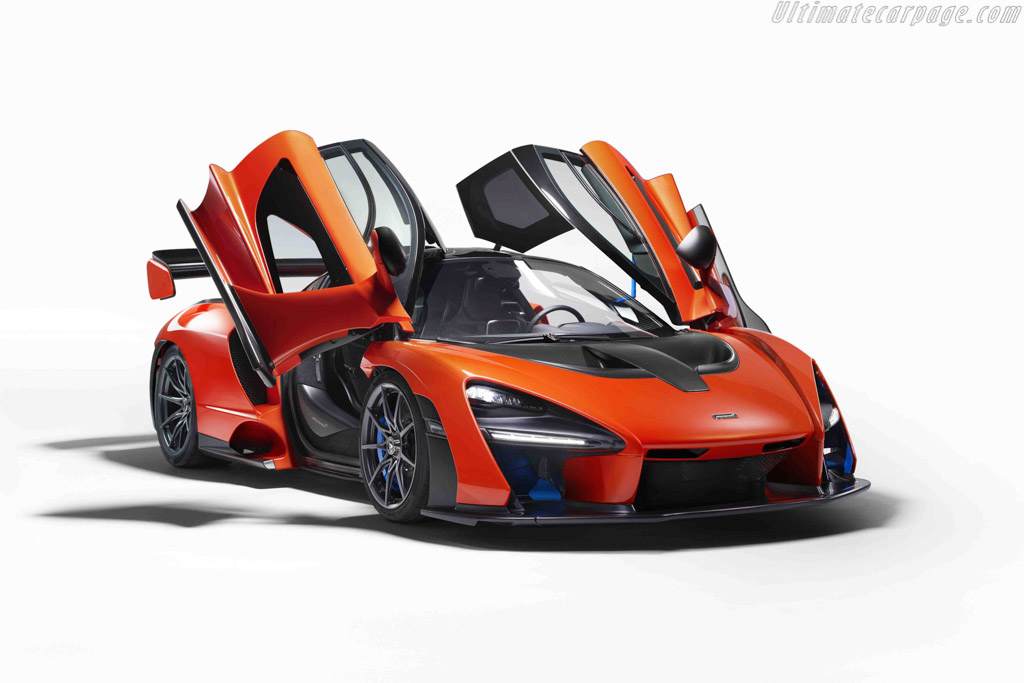
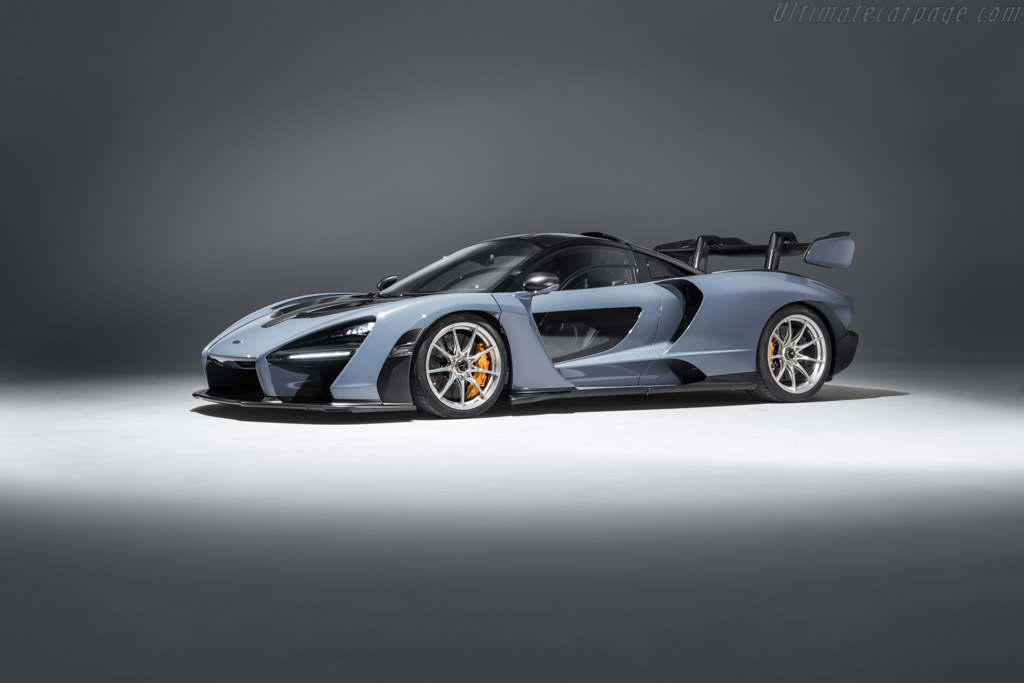
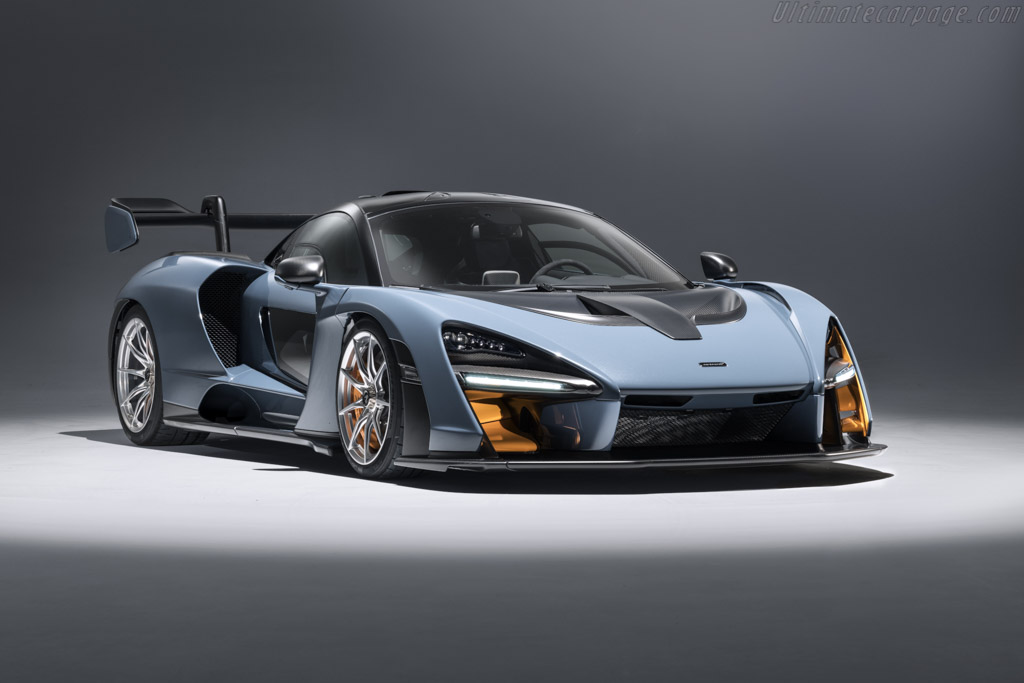
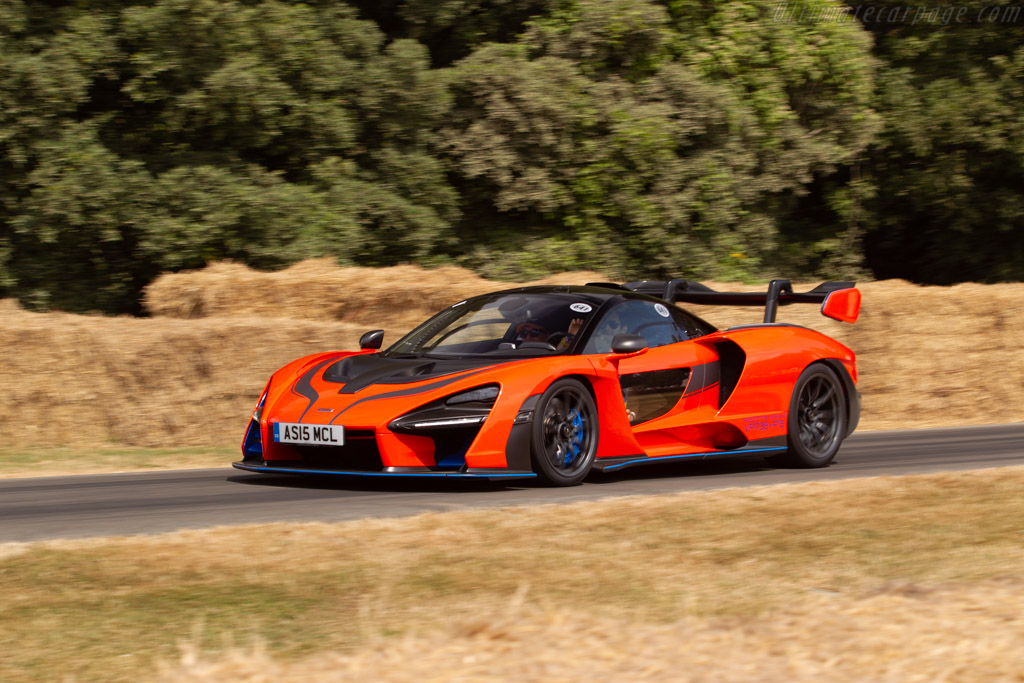
The 2018 McLaren Senna was built for faster laps through low weight, strong brakes and active aerodynamics. Named for three-time Formula One champion Ayrton Senna, this road-legal supercar joins the F1 and P1 in McLaren’s Ultimate Series.
2018 McLaren Senna specifications
| Debut | December 2017 reveal; Geneva public debut in 2018 |
|---|---|
| Engine | 3,994 cc twin-turbocharged V8 |
| Output | 800 PS (789 bhp), 800 Nm |
| Transmission | Seven-speed dual-clutch; rear-wheel drive |
| Dry weight | 1,198 kg in the lightest specification |
| 0–100 km/h | 2.8 seconds |
| 0–200 km/h | 6.8 seconds |
| Top speed | 335 km/h (208 mph) |
| Road-car production | 500 cars |
Performance figures are manufacturer claims. Dry weight excludes operating fluids and is not directly comparable with a kerb-weight figure.
Why the Senna looks so different
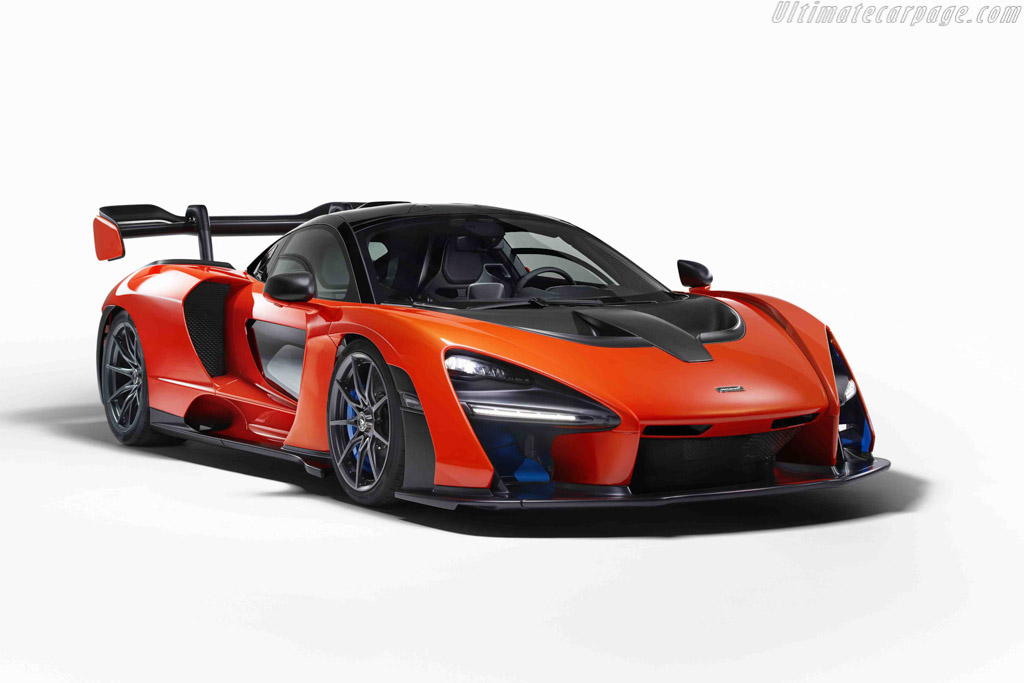
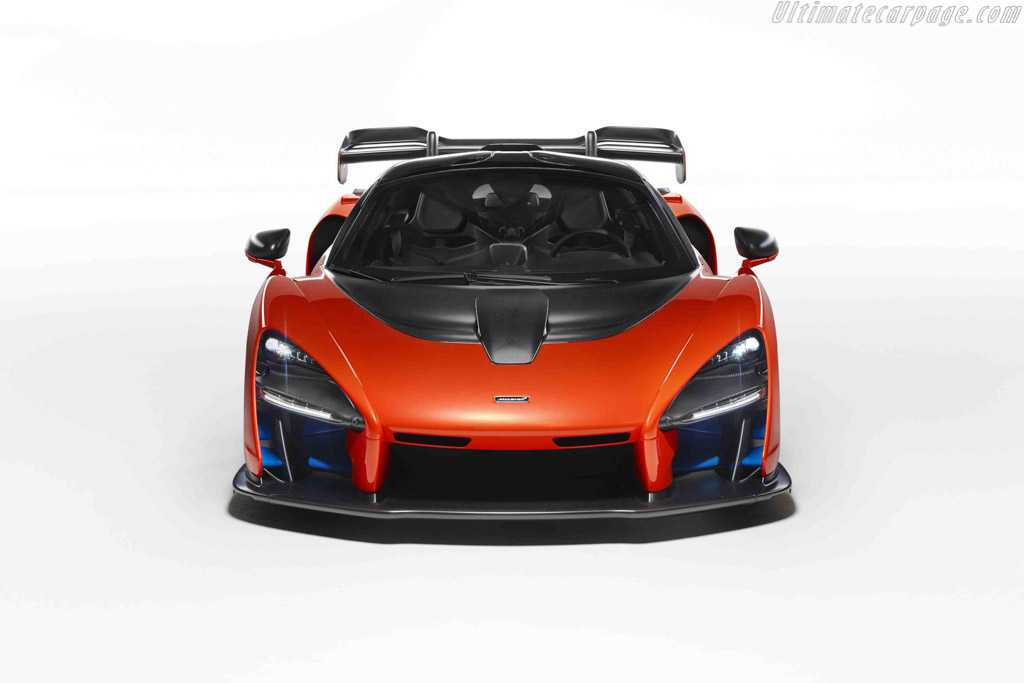
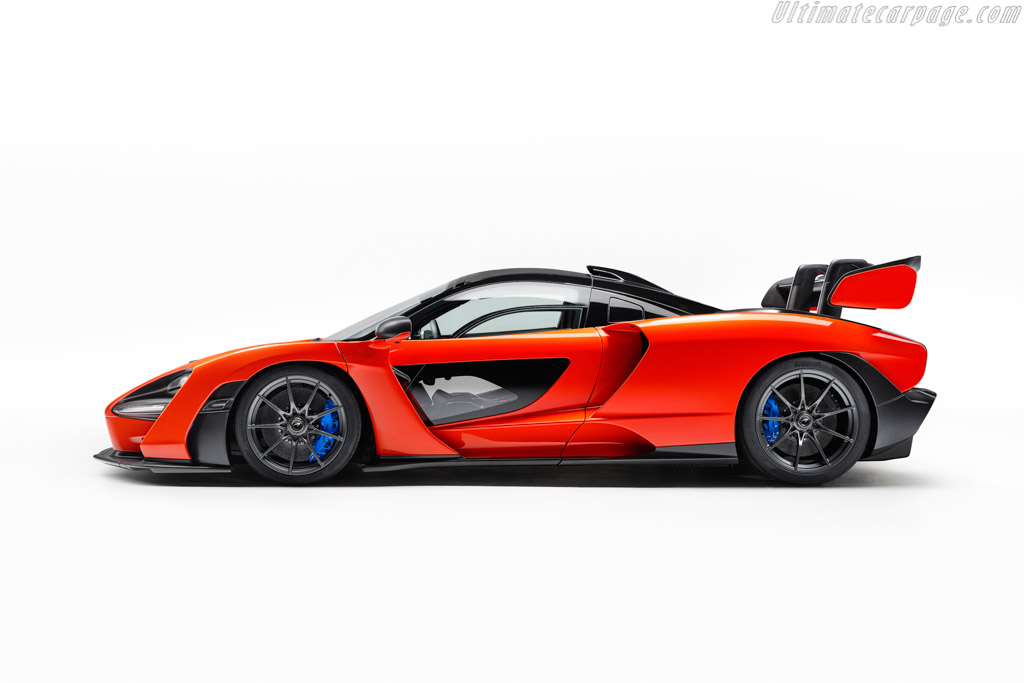
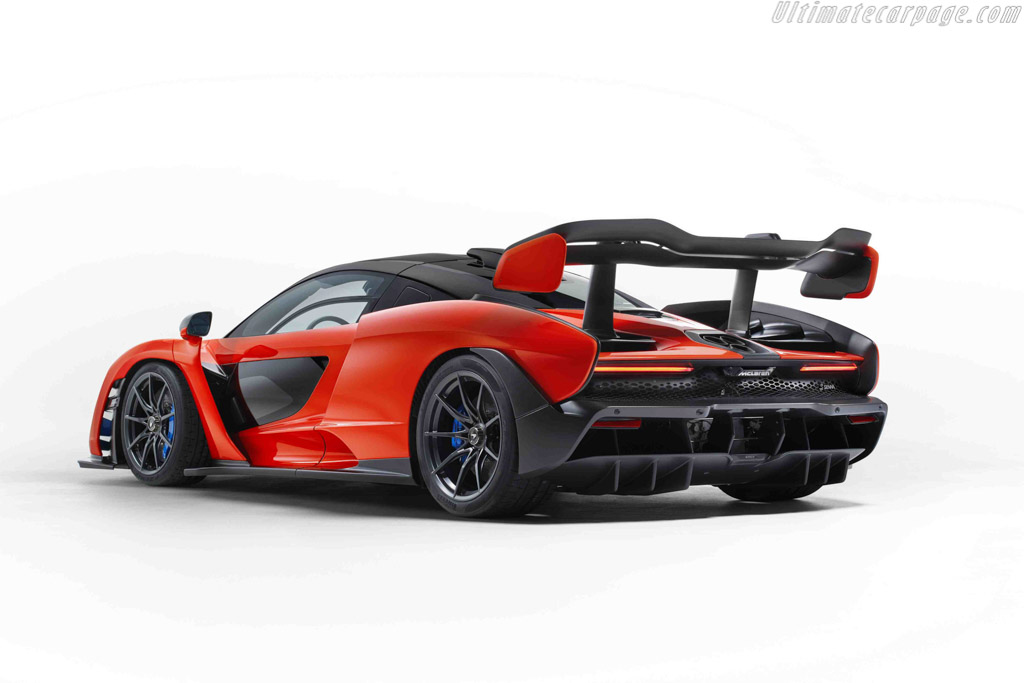
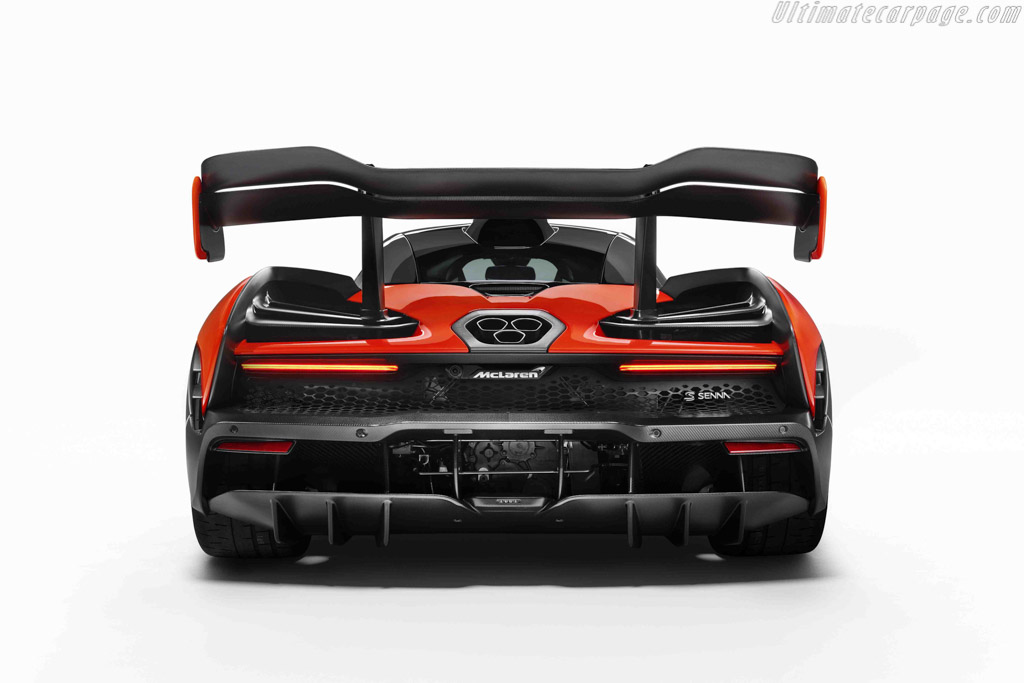
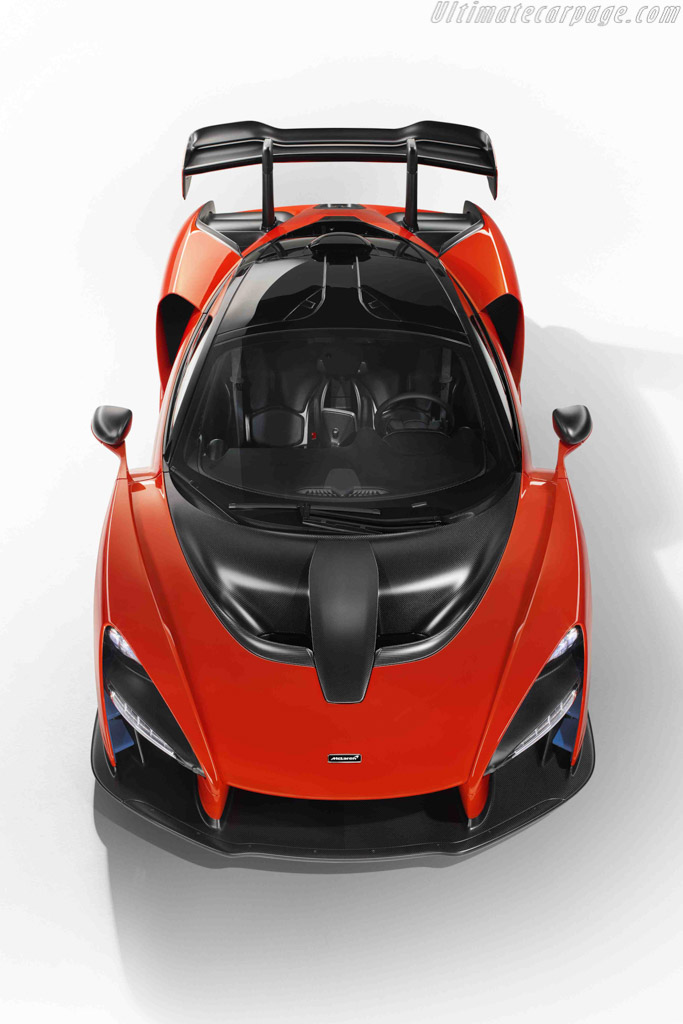
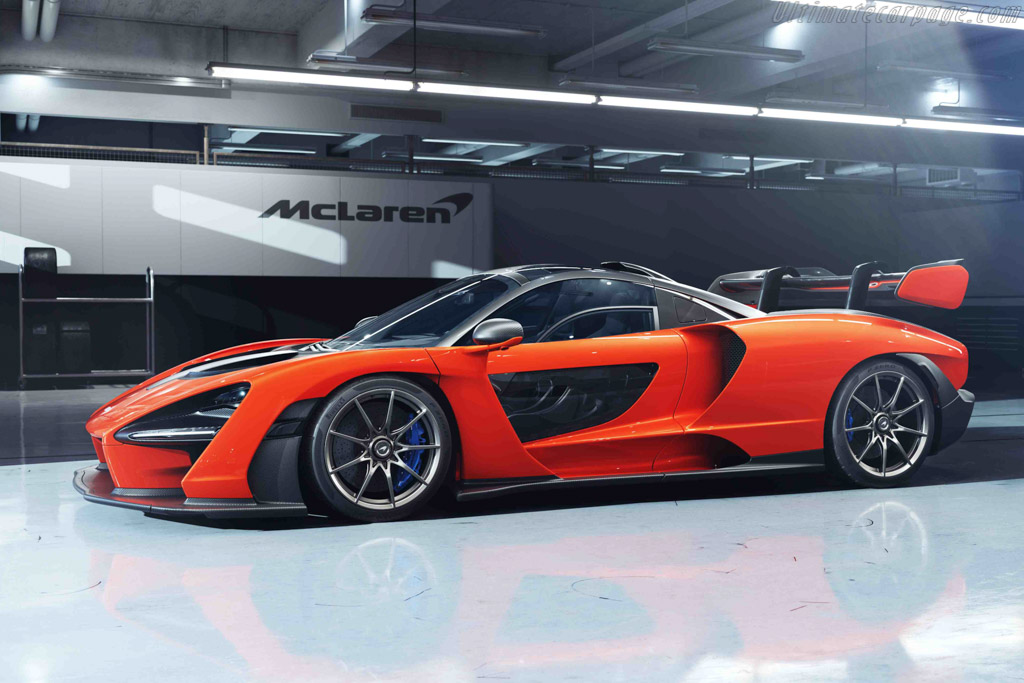
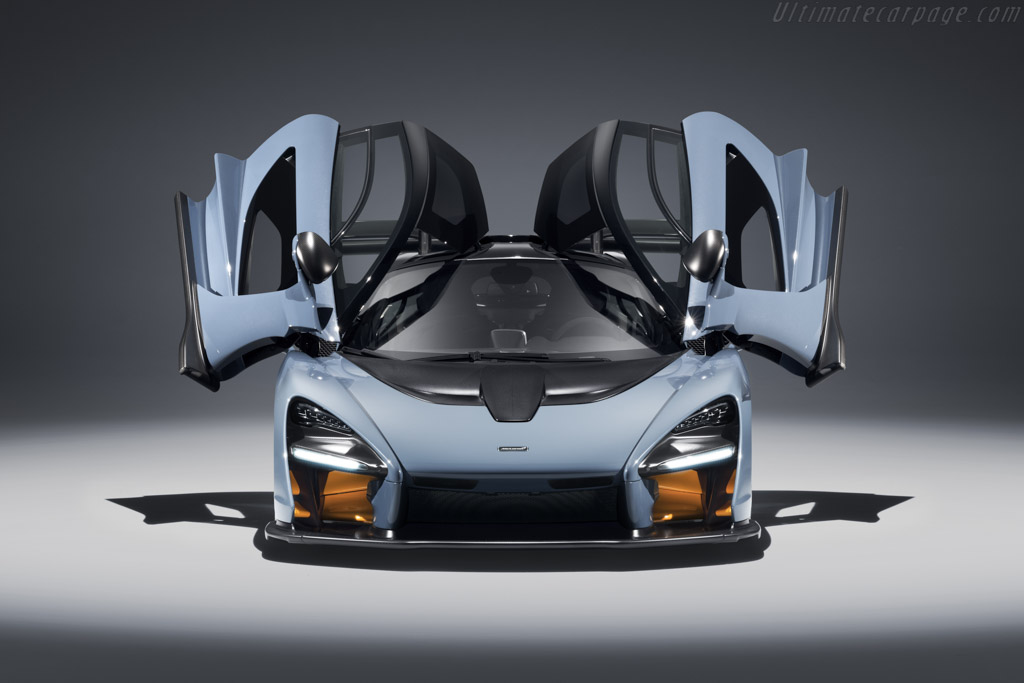
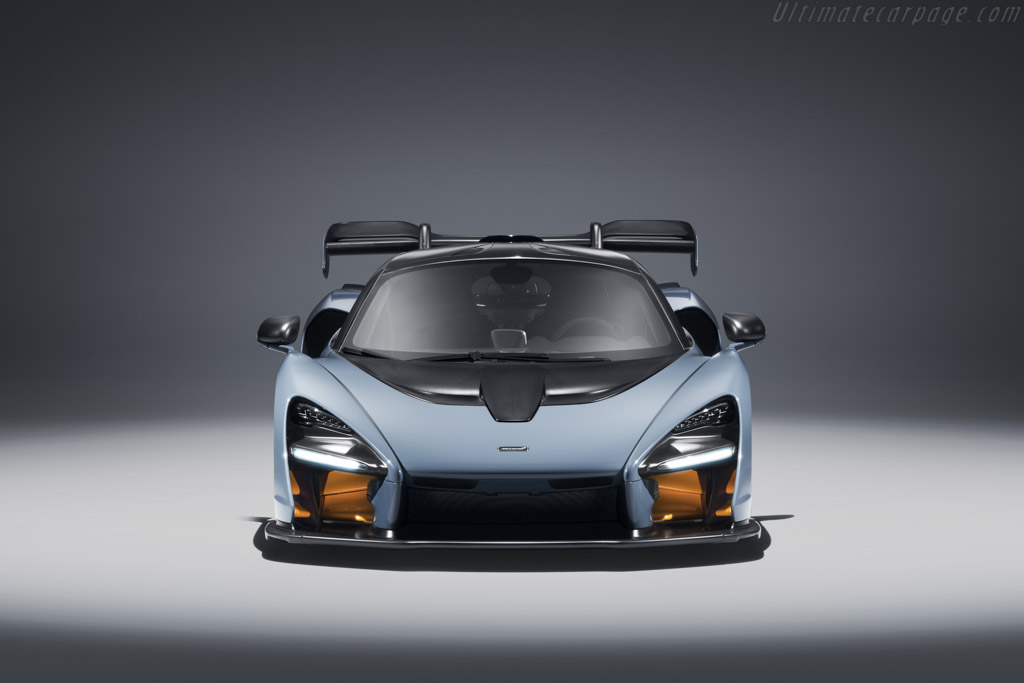
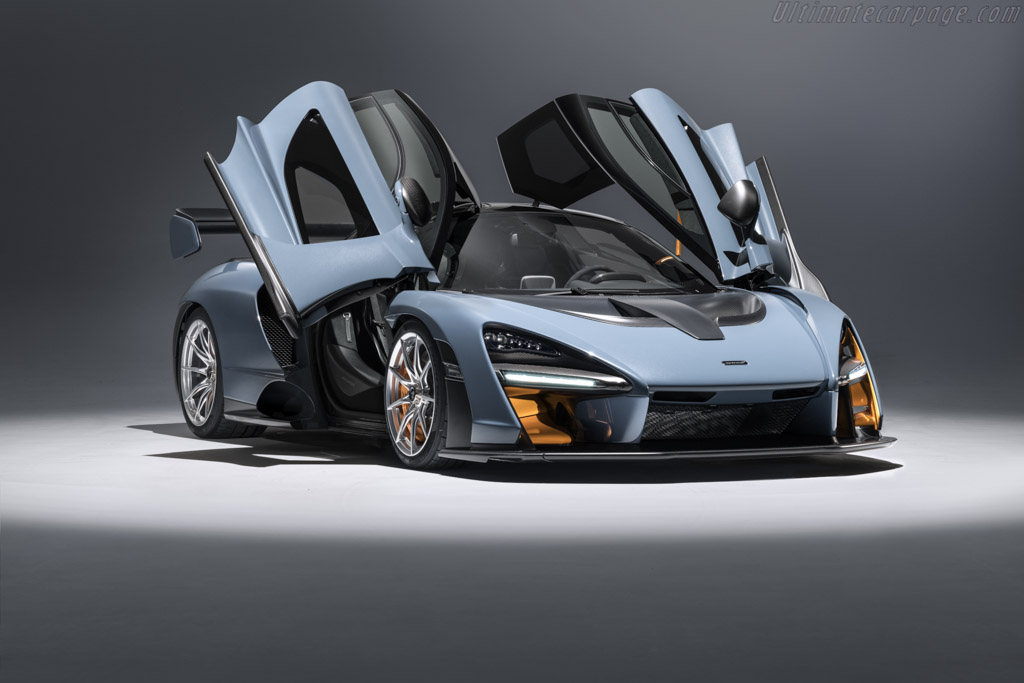
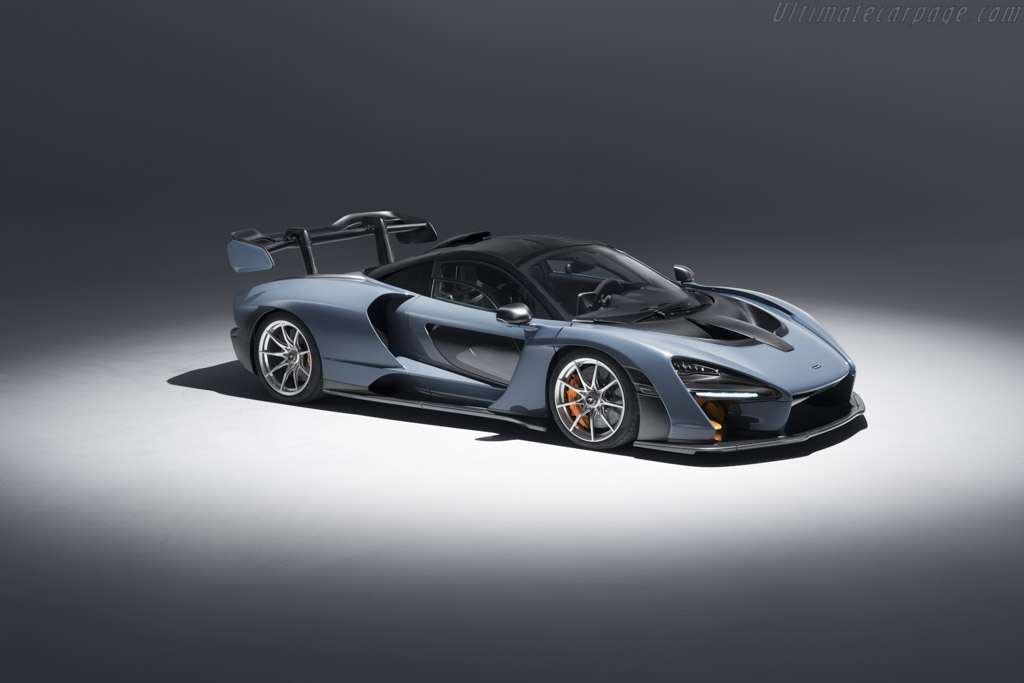
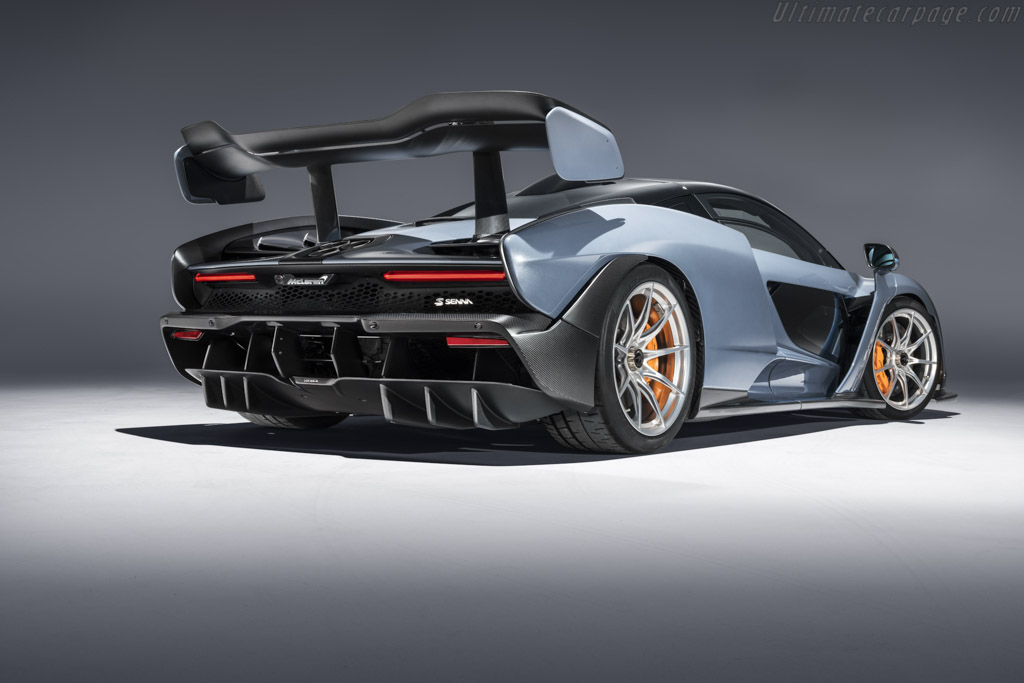
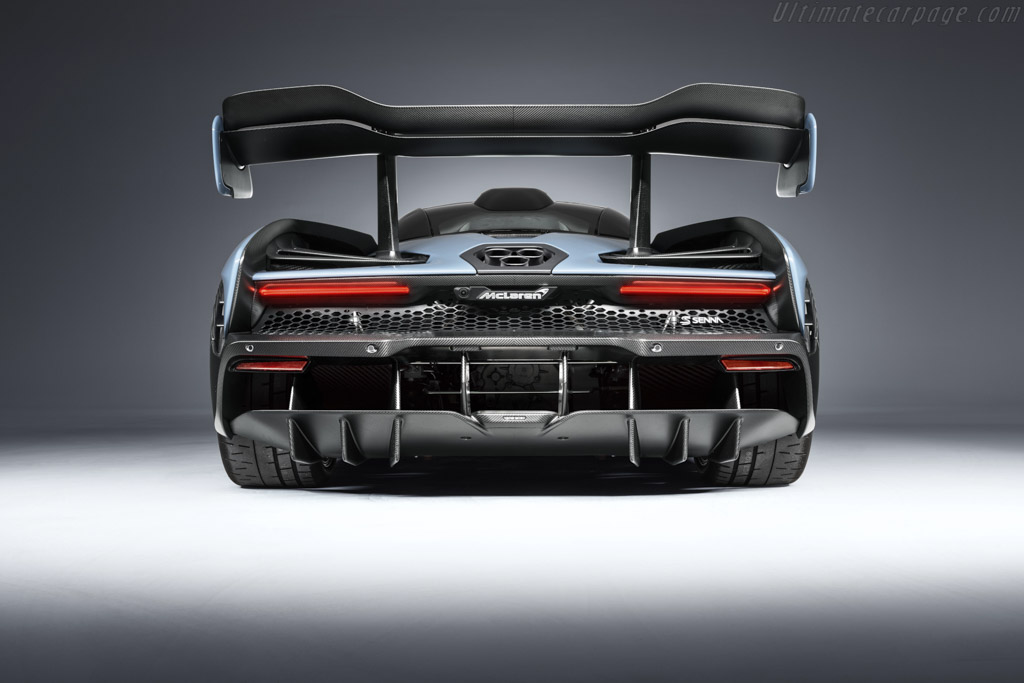
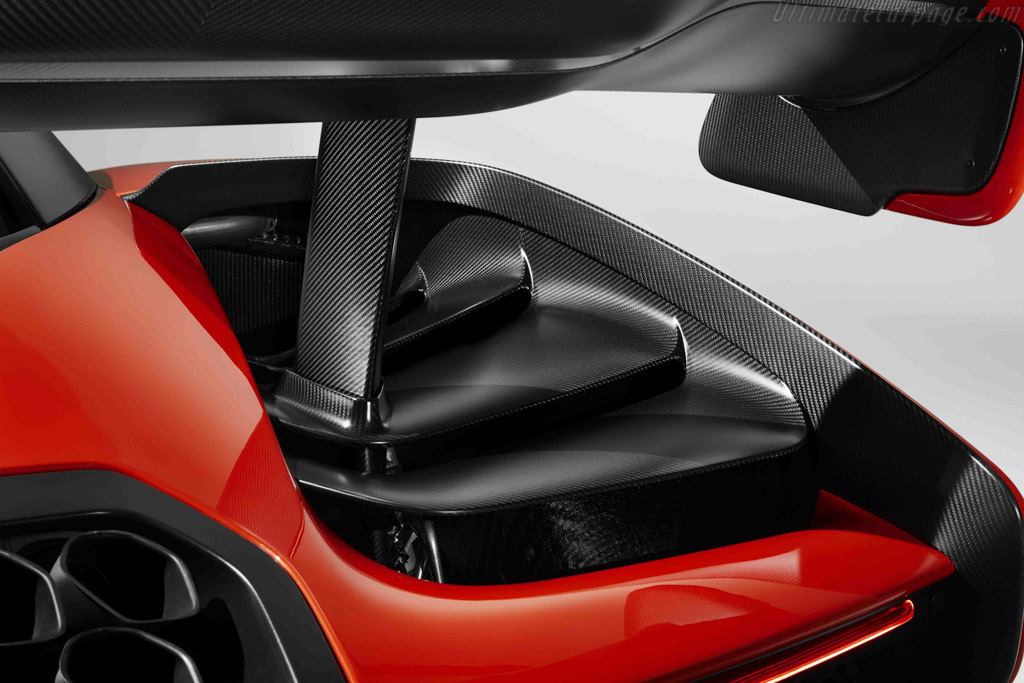
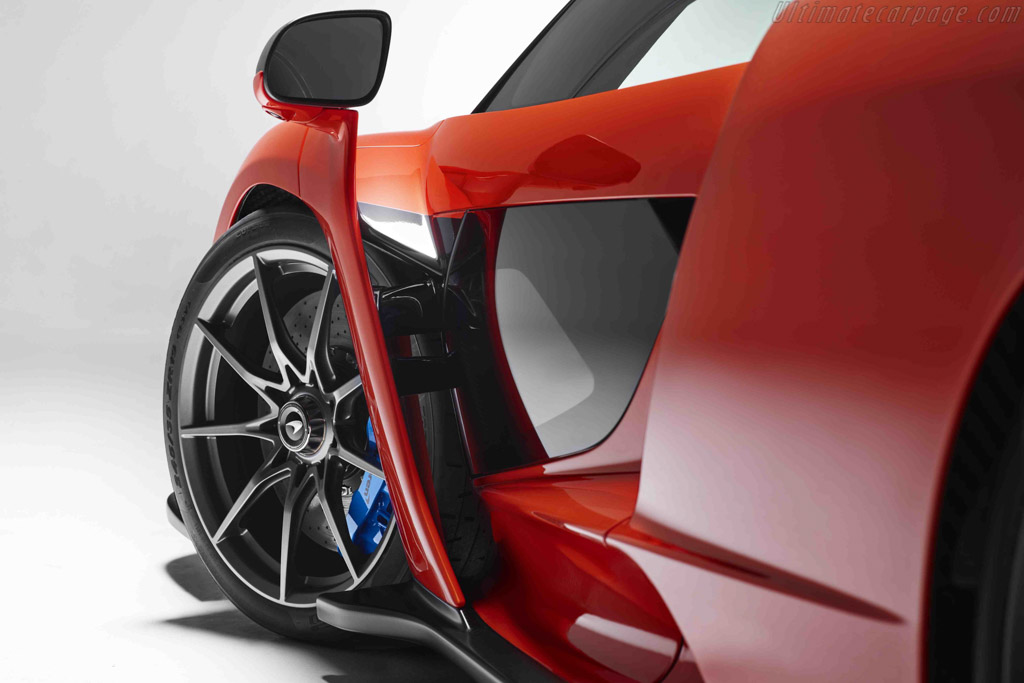
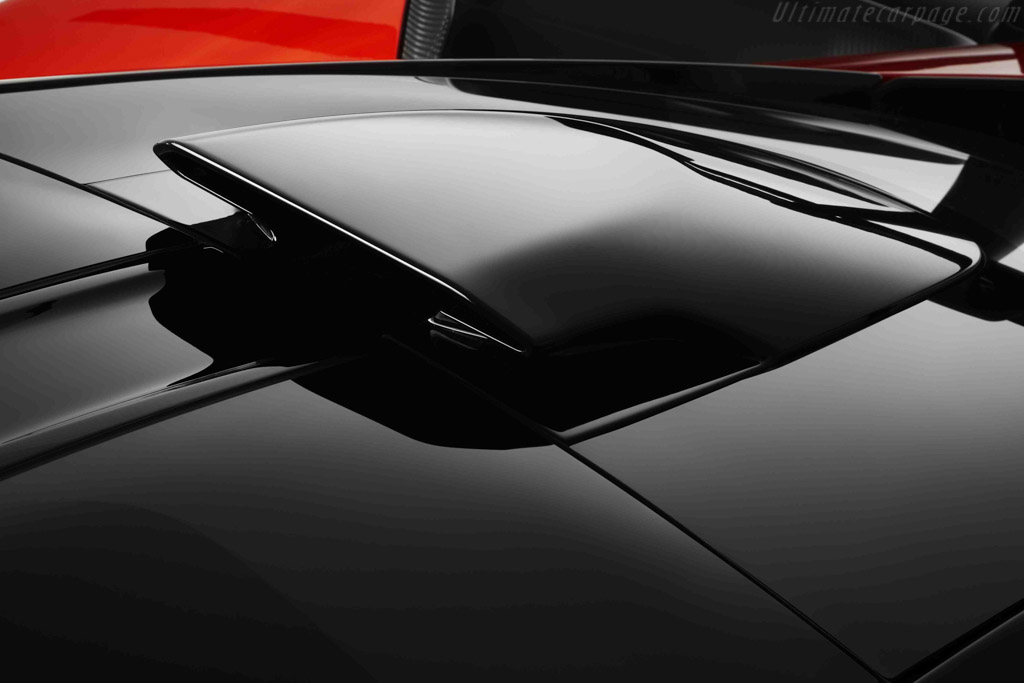
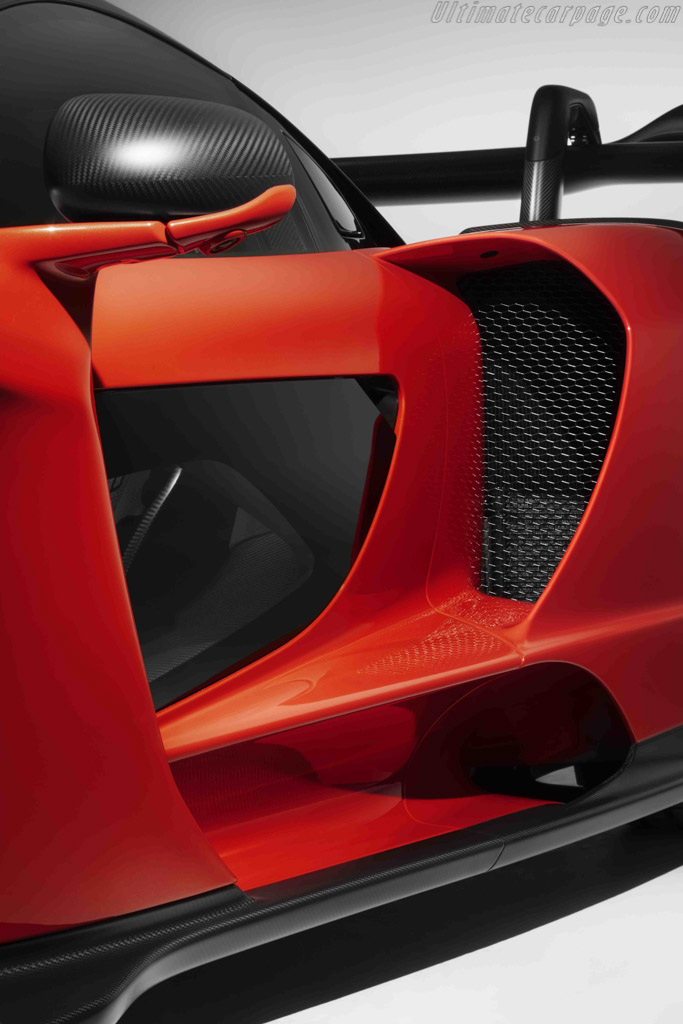
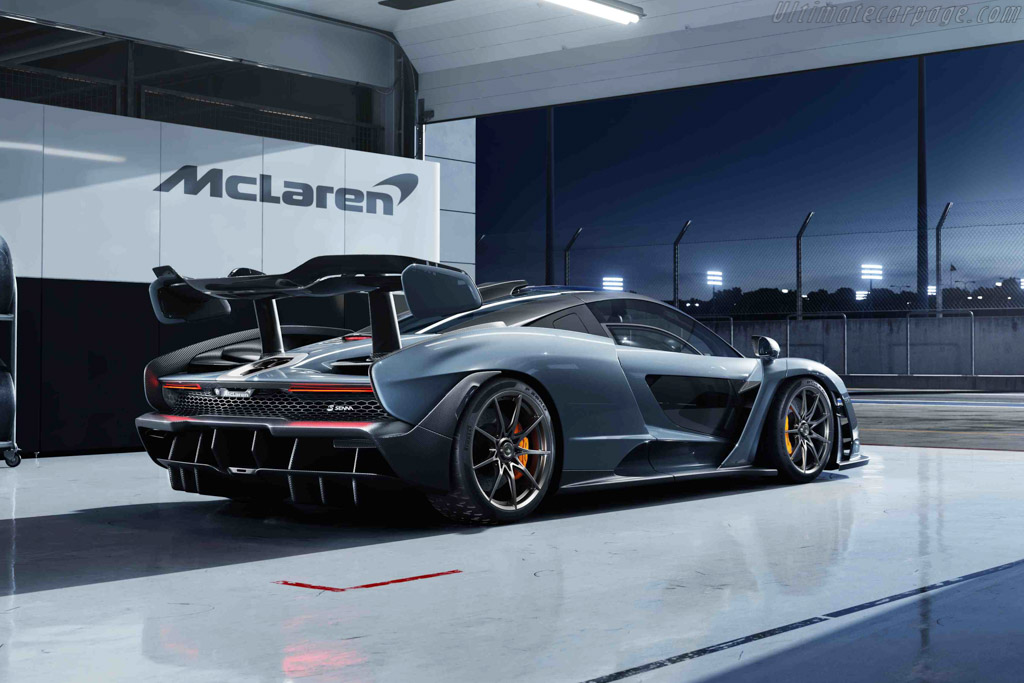
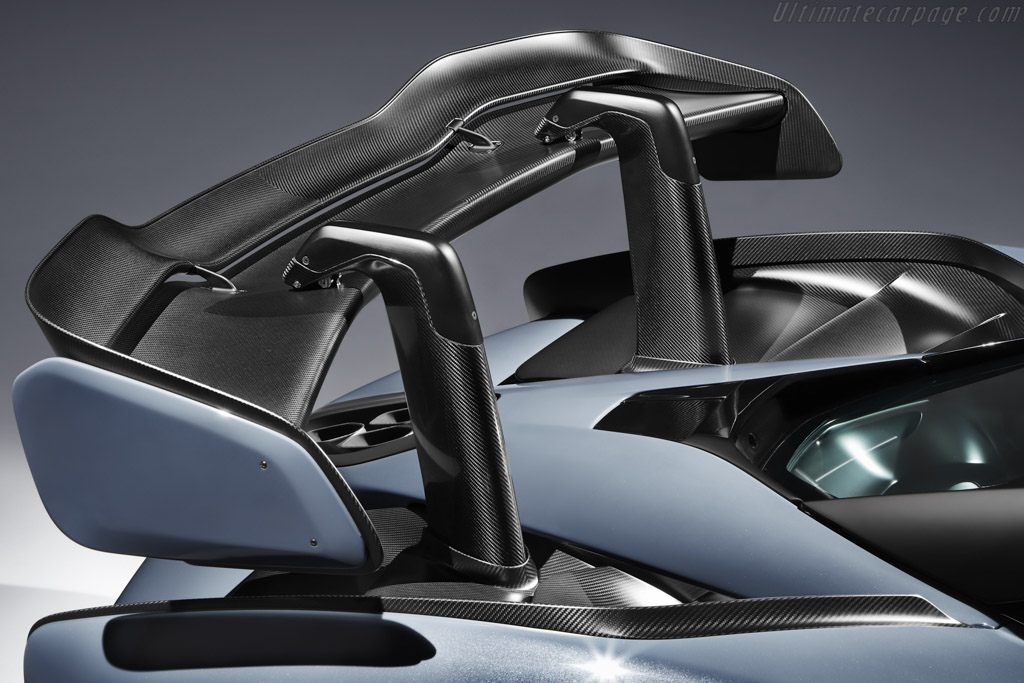
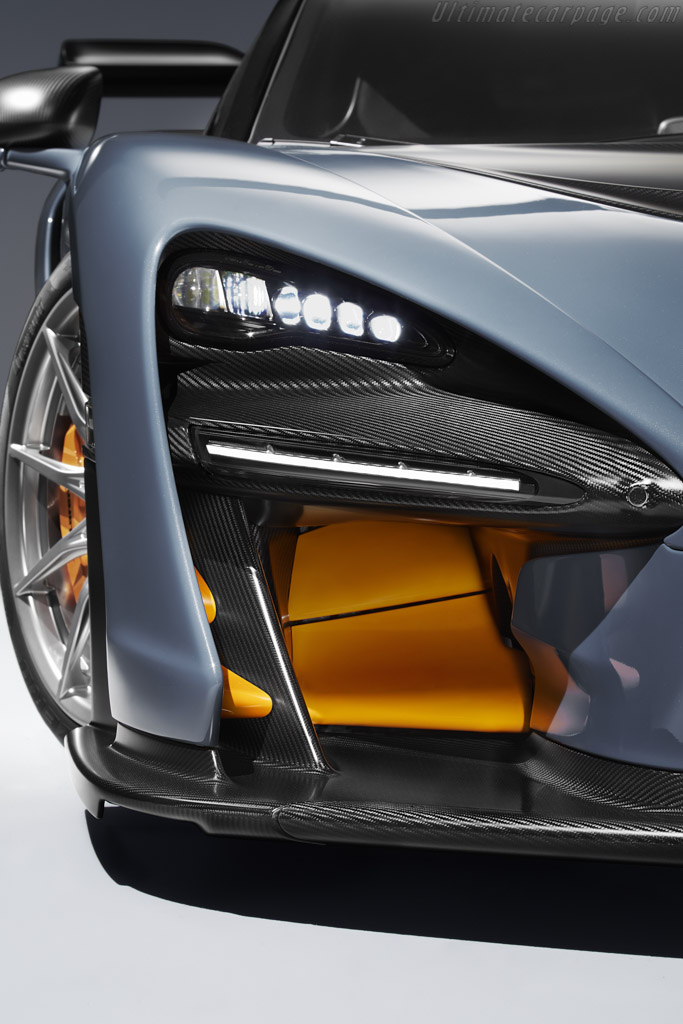
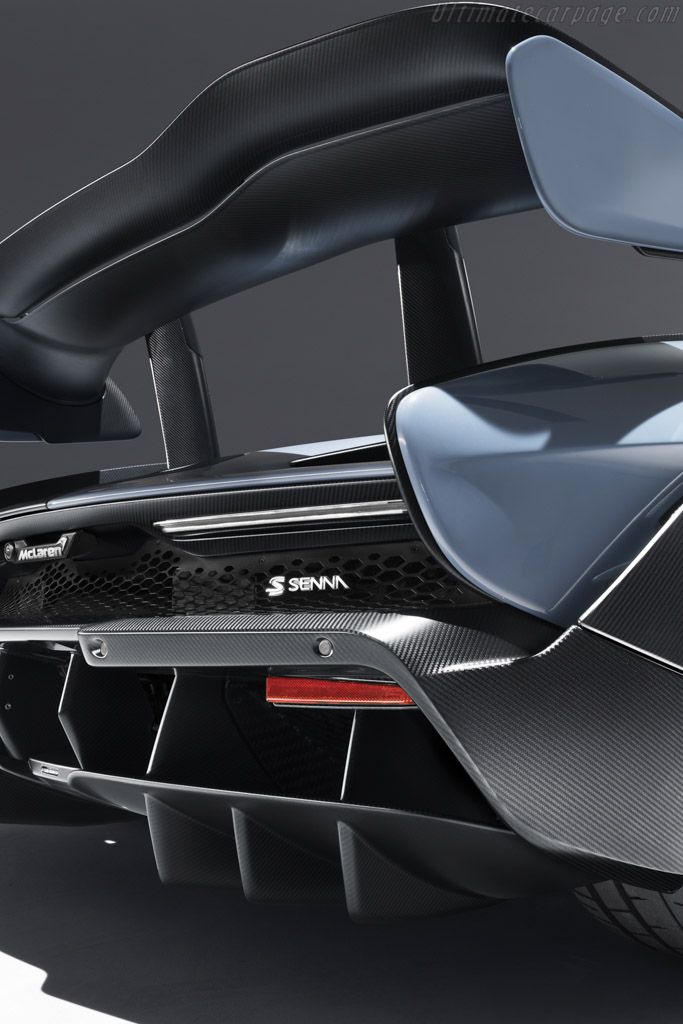
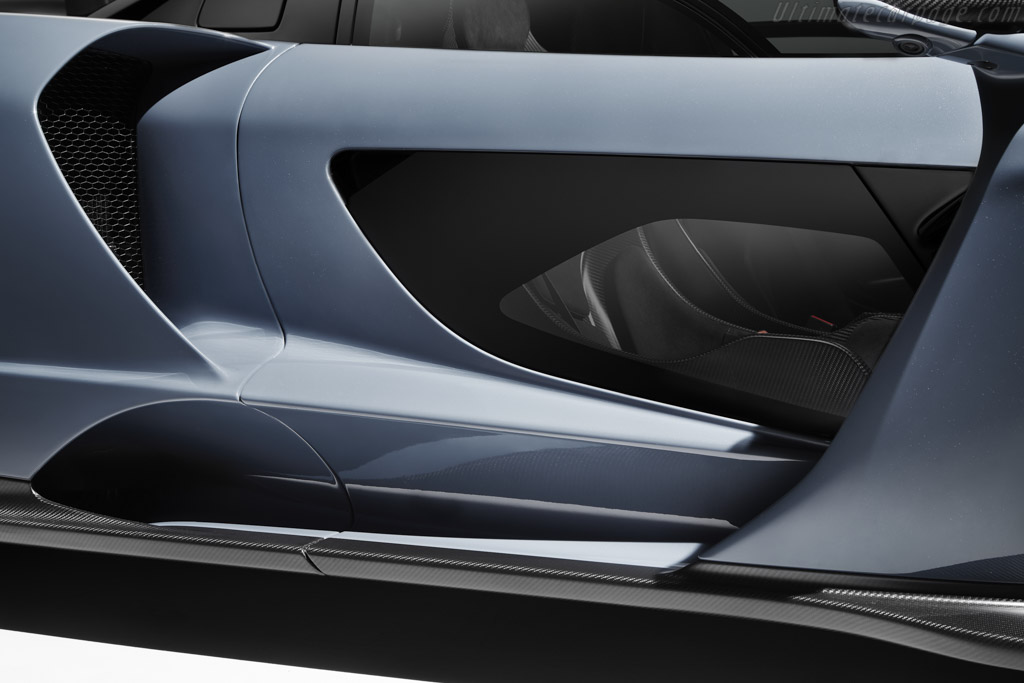
The large rear wing, air intakes and diffuser serve a clear purpose. They manage airflow to help the tyres maintain grip under braking and through corners. As a result, the shape puts track performance ahead of visual simplicity.
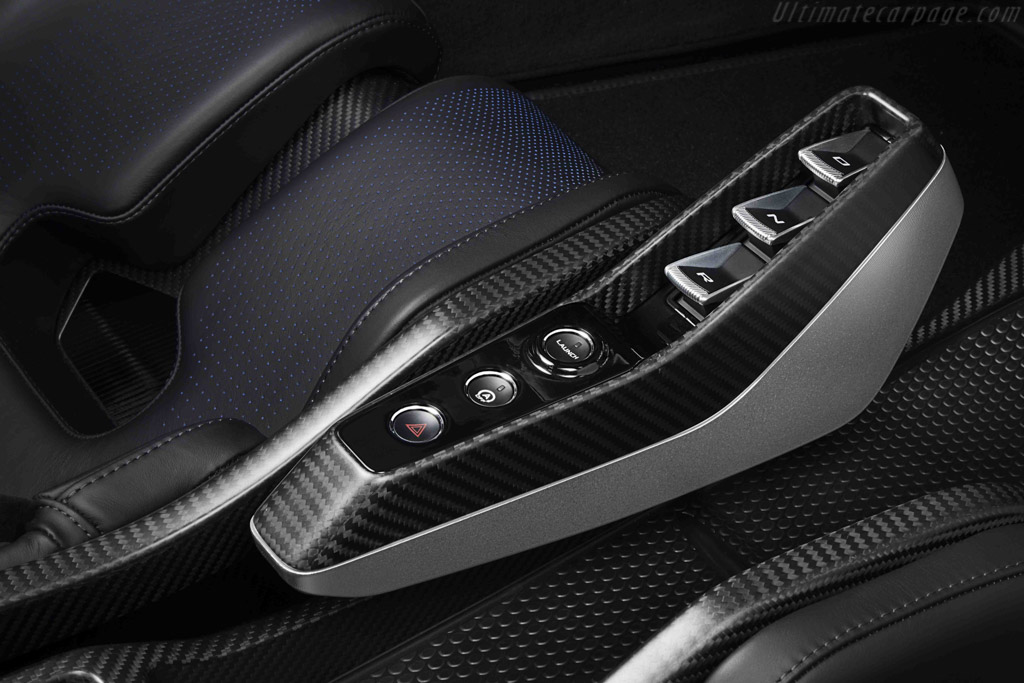
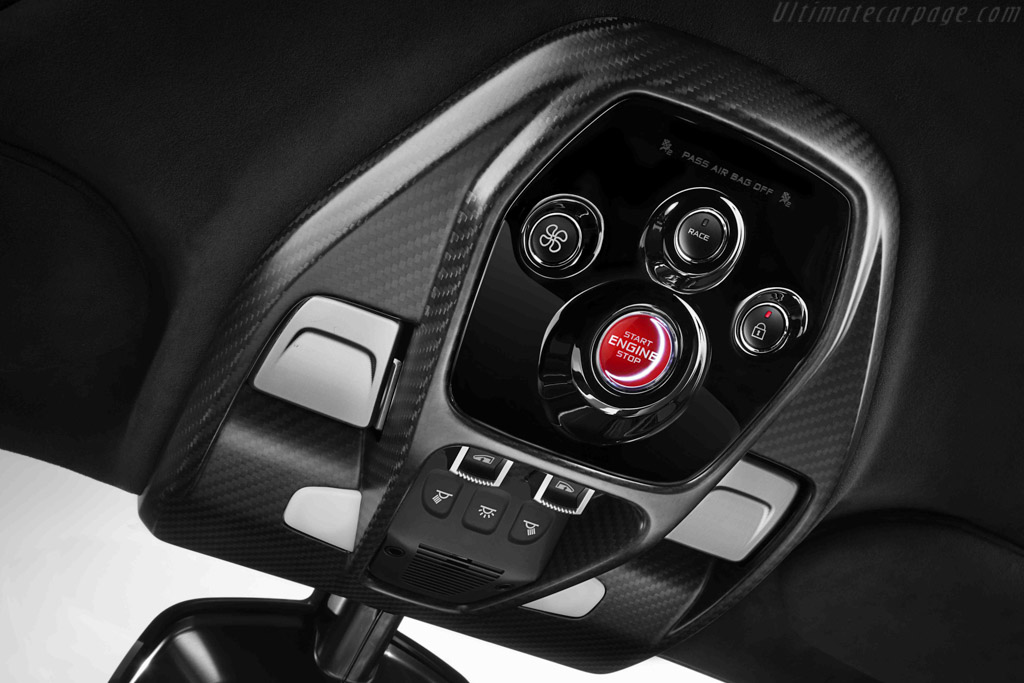
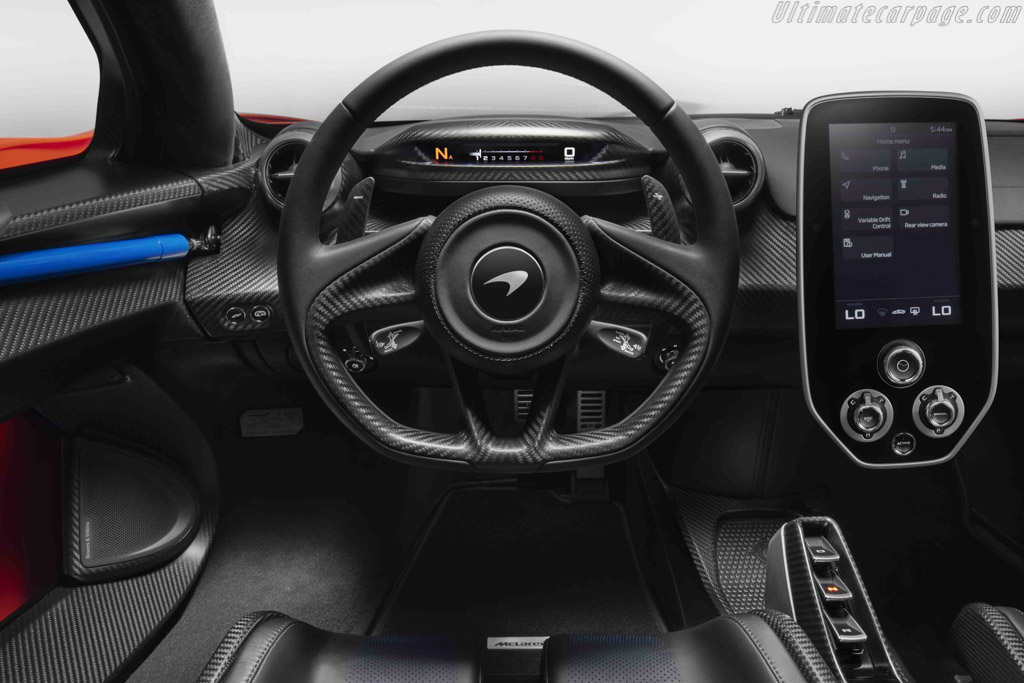
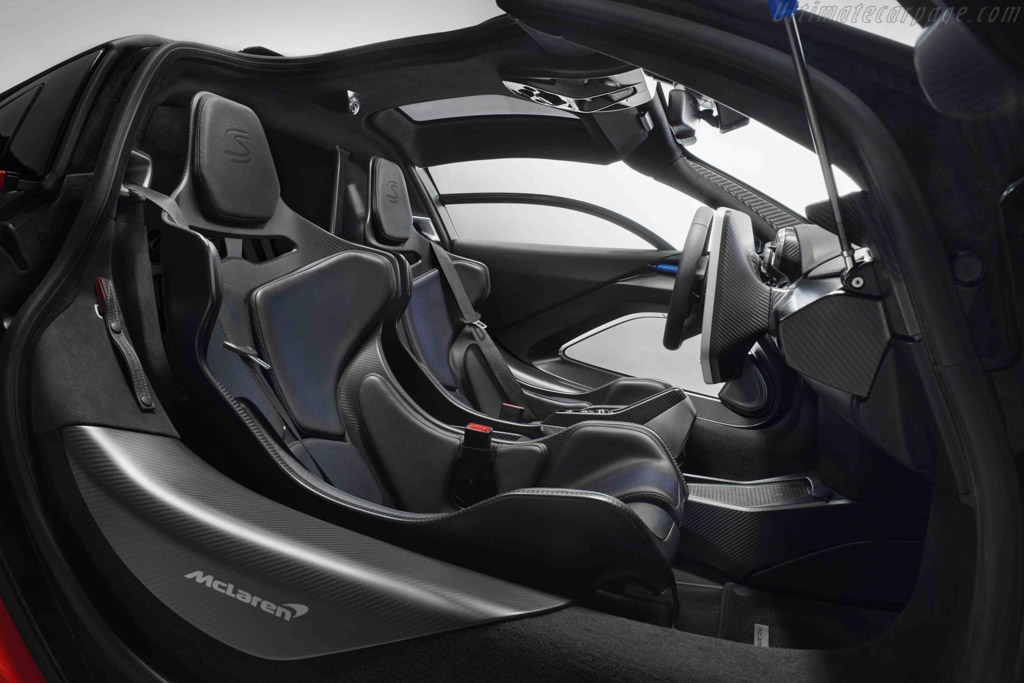
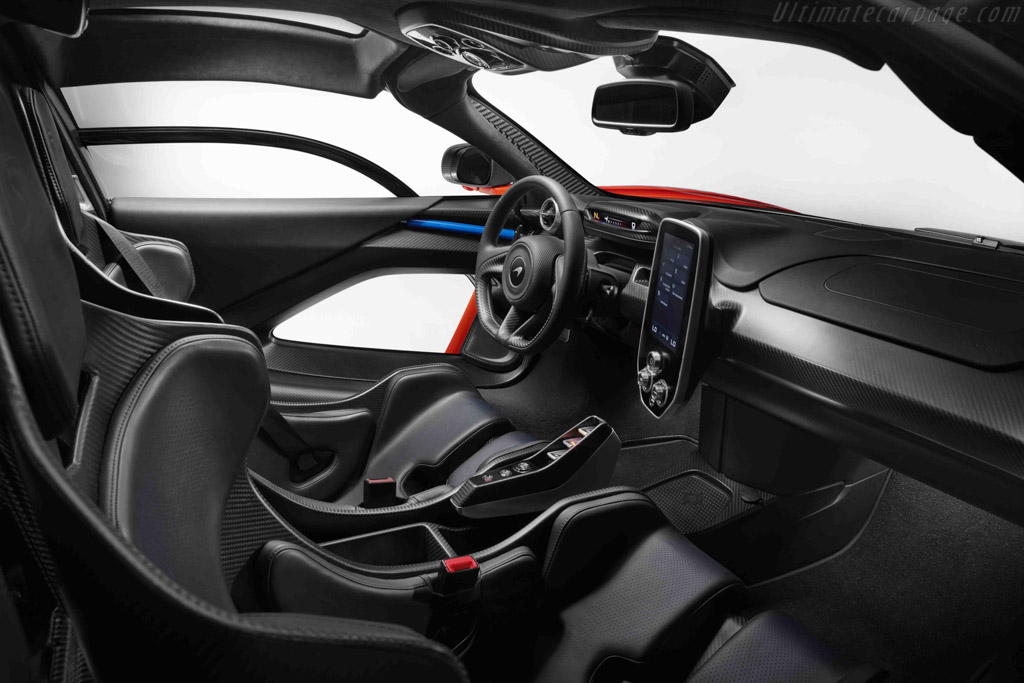
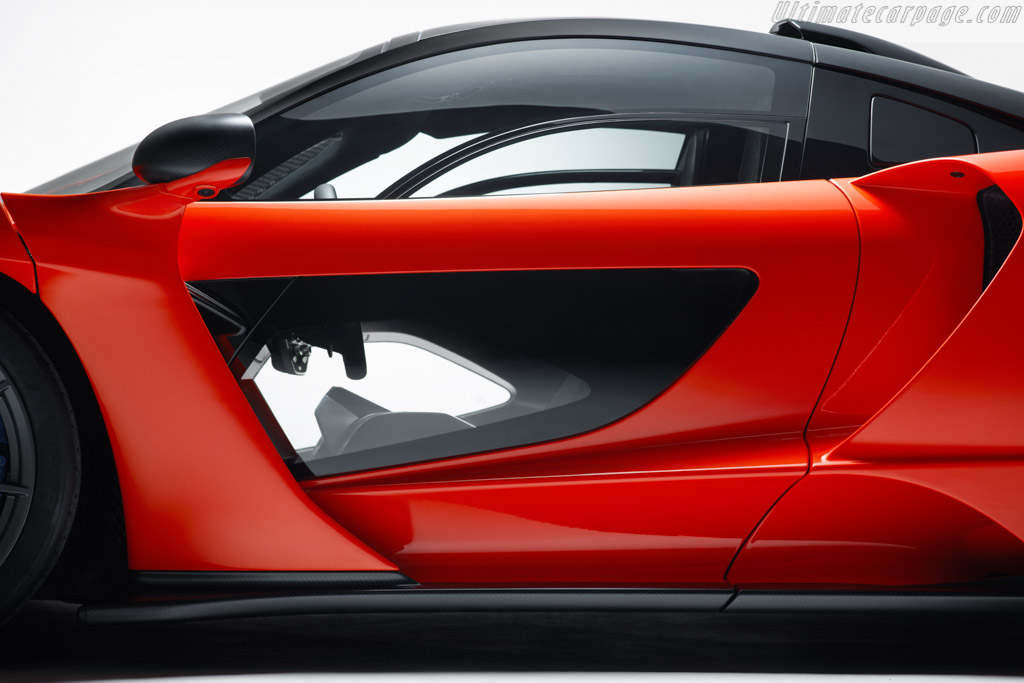
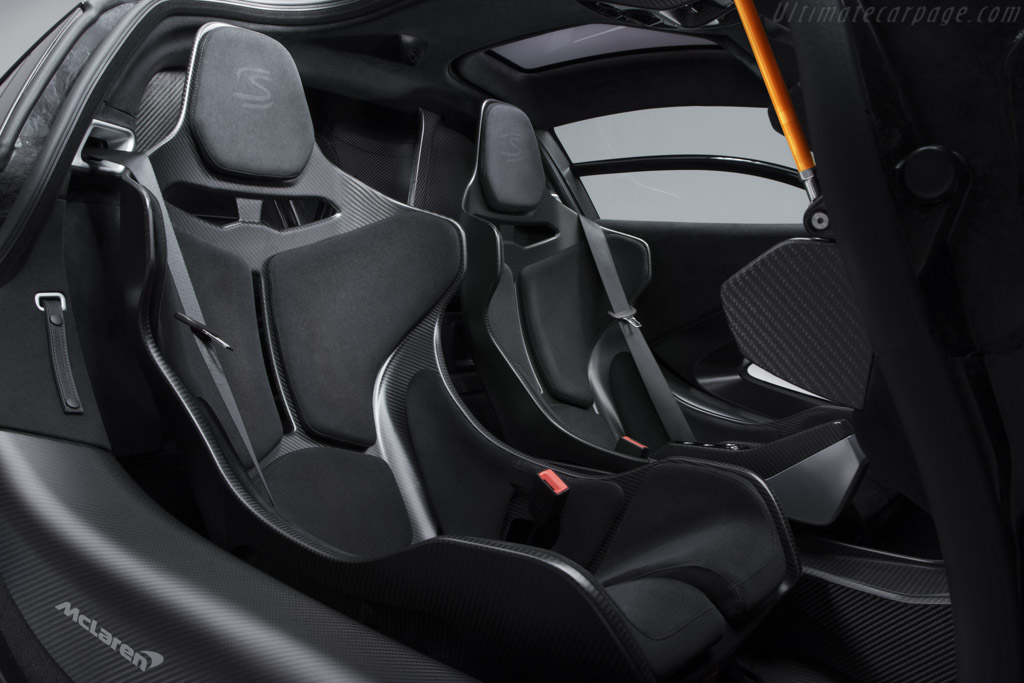
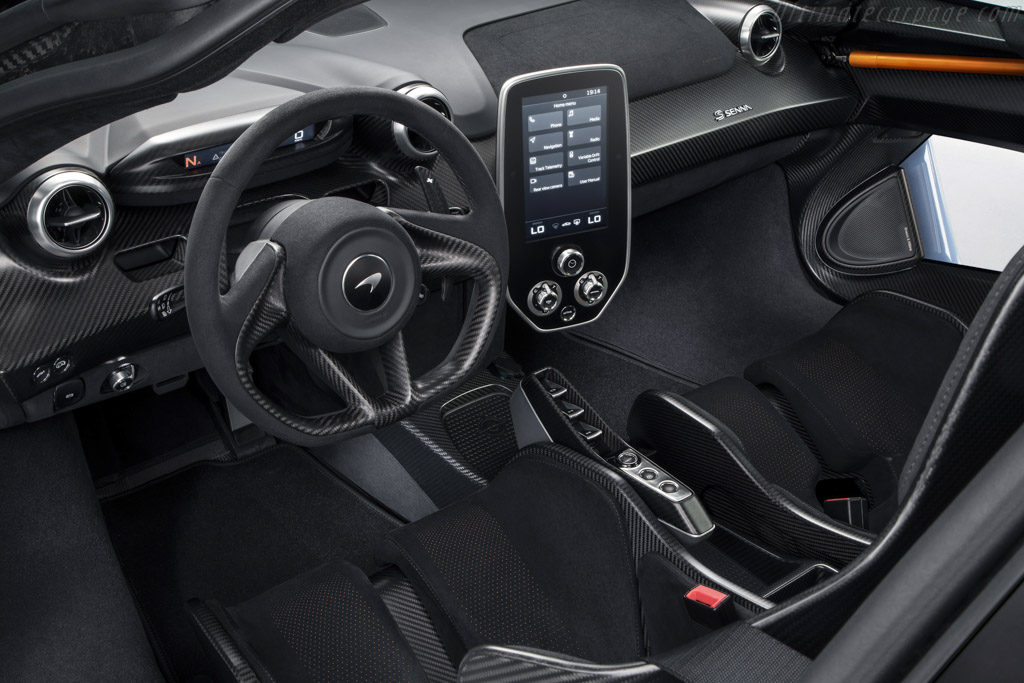
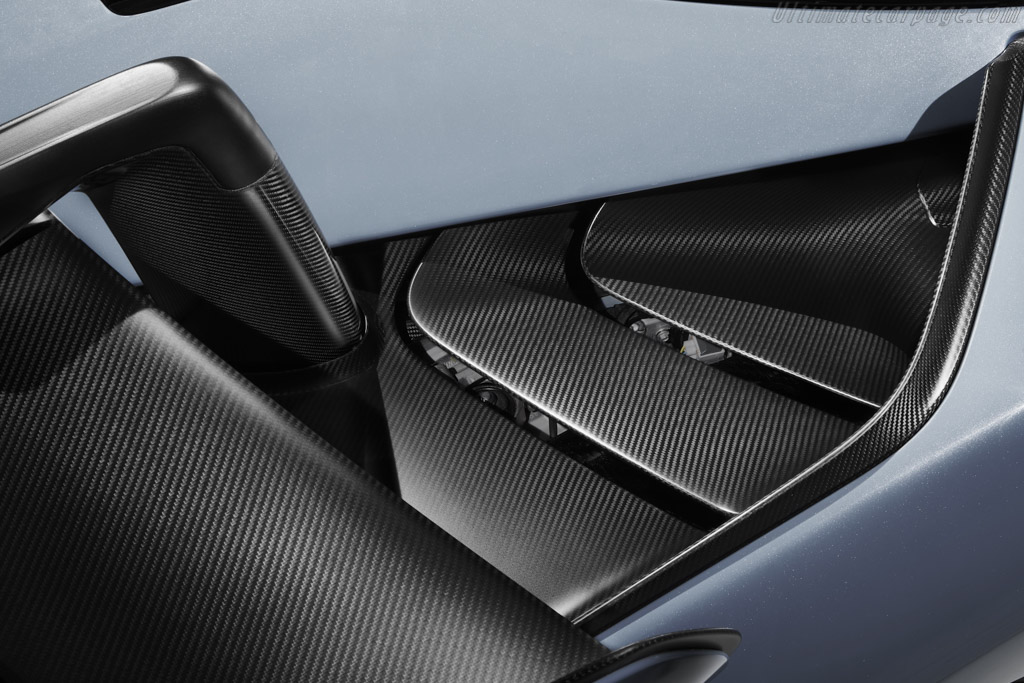
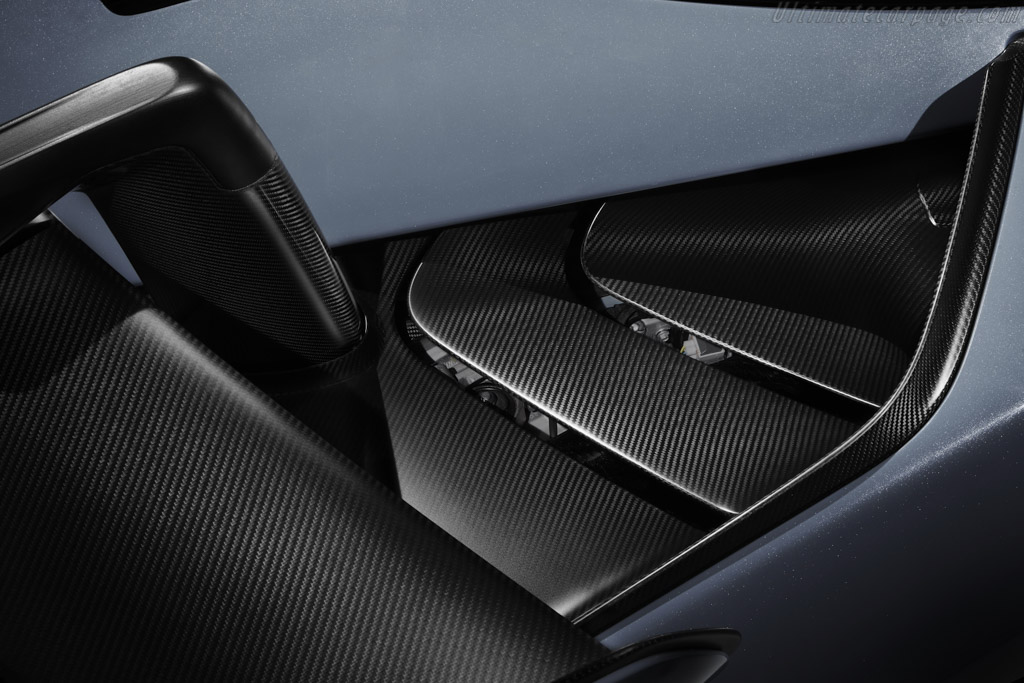
A carbon-fibre MonoCage III structure keeps mass low. Meanwhile, the stripped-back cabin focuses attention on the driver and the controls. Together, these choices explain the car’s distinctive appearance.
Engine and chassis
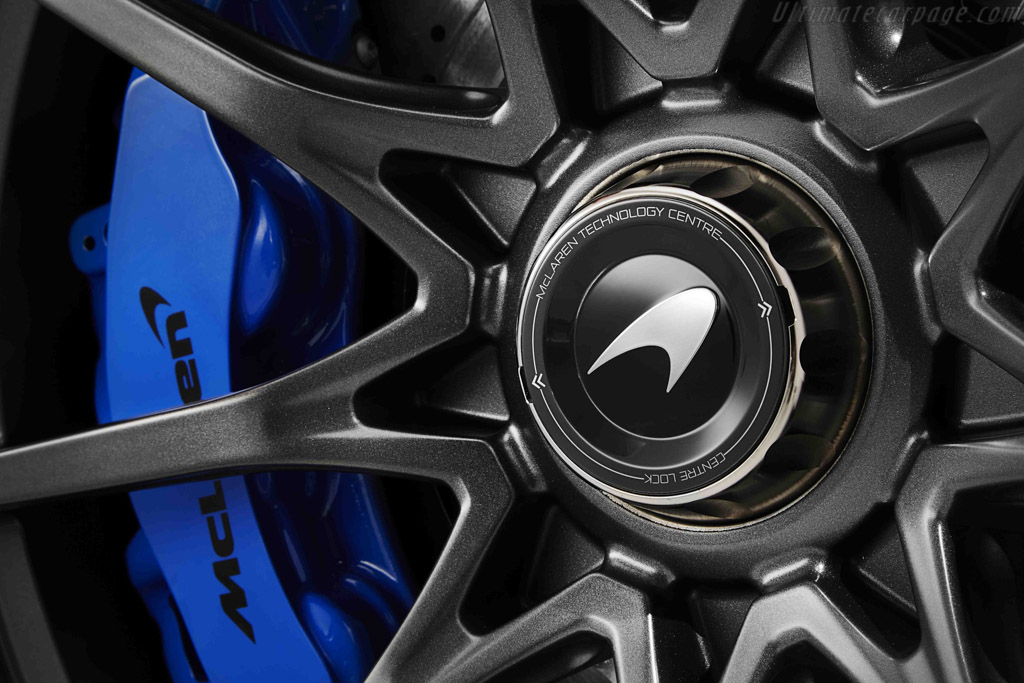
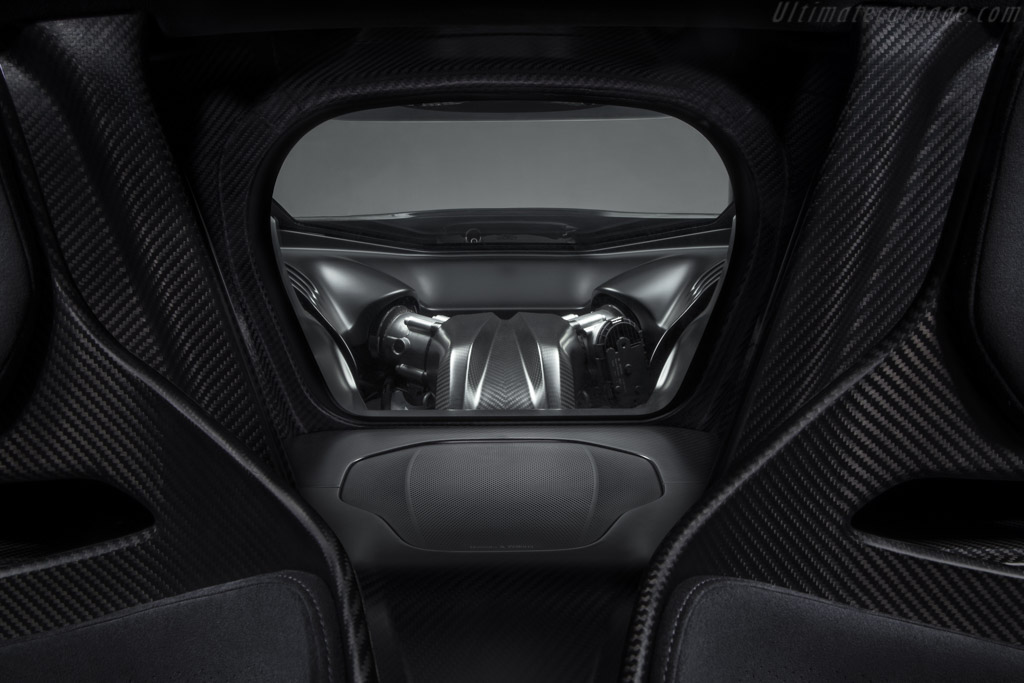
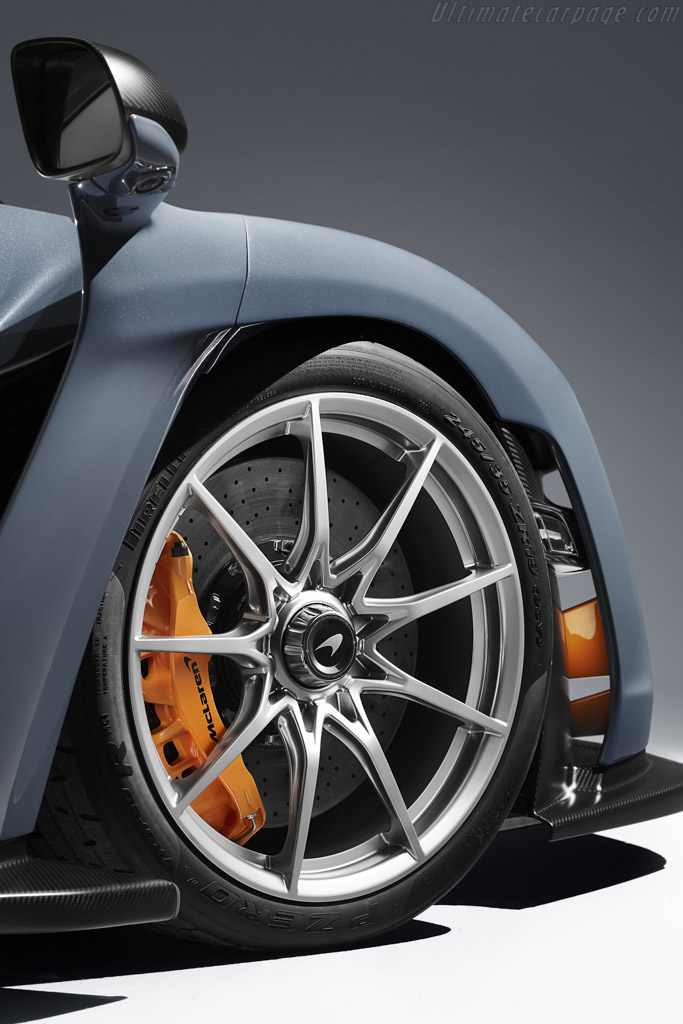
The 2018 McLaren Senna uses a twin-turbo V8 without the P1’s hybrid assistance. A seven-speed dual-clutch gearbox sends power to the rear wheels. Carbon-ceramic brakes and the hydraulic RaceActive Chassis Control II suspension support its track-focused brief.
Low mass helps with acceleration, but it also reduces the work the brakes and tyres must do. Active aerodynamic devices then adjust the balance of drag and downforce as the car’s speed and braking demands change.
Senna versus Senna GTR
The standard McLaren Senna is road-legal. The later Senna GTR is a separate, circuit-only derivative with different aerodynamics, tyres and chassis settings. Its production total and performance figures should therefore be kept separate from those of the road car.
Production and place in McLaren history
McLaren limited the road-going Senna to 500 cars. It complements the hybrid 2013 McLaren P1 and the landmark 1992 McLaren F1, rather than directly replacing either model.
Its defining story is the pursuit of lap time. Power matters, yet braking, low weight and aerodynamic grip are just as central to its design.
Frequently asked questions
How many McLaren Sennas were made?
McLaren limited the road-going Senna to 500 cars.
Is the McLaren Senna a hybrid?
No. It uses a 4.0-litre twin-turbo V8 without an electric drive motor.
What is the McLaren Senna’s top speed?
McLaren lists 335 km/h, or 208 mph, for the road car.
[…] another perspective on McLaren’s road-car engineering, explore the 2018 McLaren Senna. The comparison highlights how different the aims of two performance cars can be, even when they […]